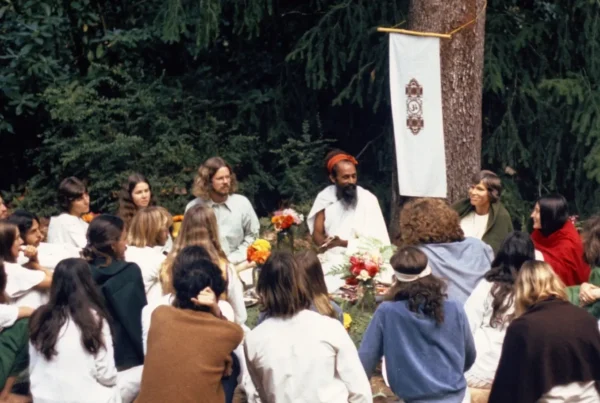


Land Stewardship at Mount Madonna
Forming Burn Piles In Preparation for California’s Burn Season
MOUNT MADONNA’S CONTROLLED BURN HISTORY
After conducting several highly successful controlled burns with the Central Coast Prescribed Burn Association in 2022 and 2023, Mount Madonna has continued to expand its approach to land management. In subsequent years, pile burning has been increasingly incorporated into Mount Madonna’s stewardship efforts.
WHAT IS BURN SEASON?
Burn season refers to the time of year, usually late Fall / early Winter, when the burning of dead plant matter is prescribed to reduce wildfire risk. December 1 marks the start of burn season in California, as the conditions are generally wet enough to conduct burns with minimal risk.
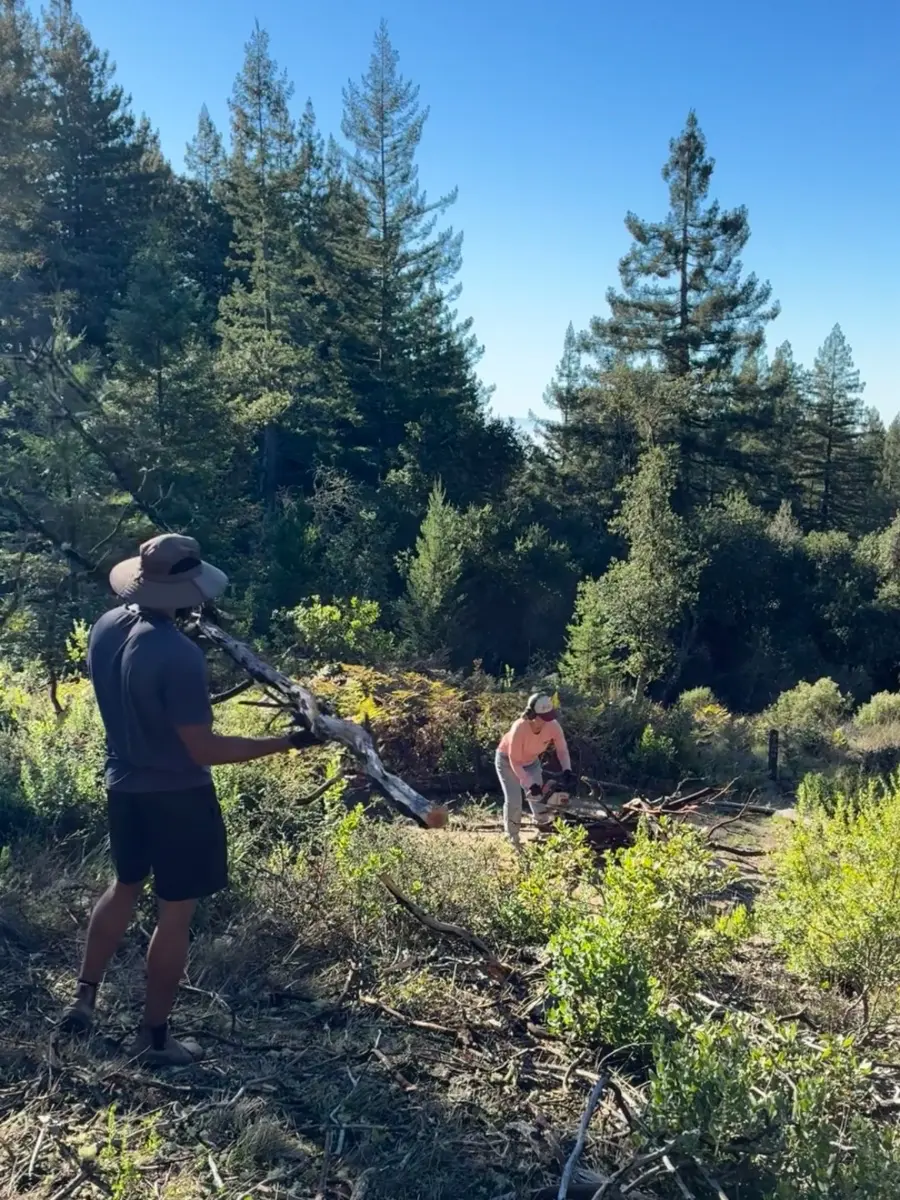
(Pictured: Darryl and Soma gather dead tree limbs from the upper campus.)
WHAT ARE BURN PILES?
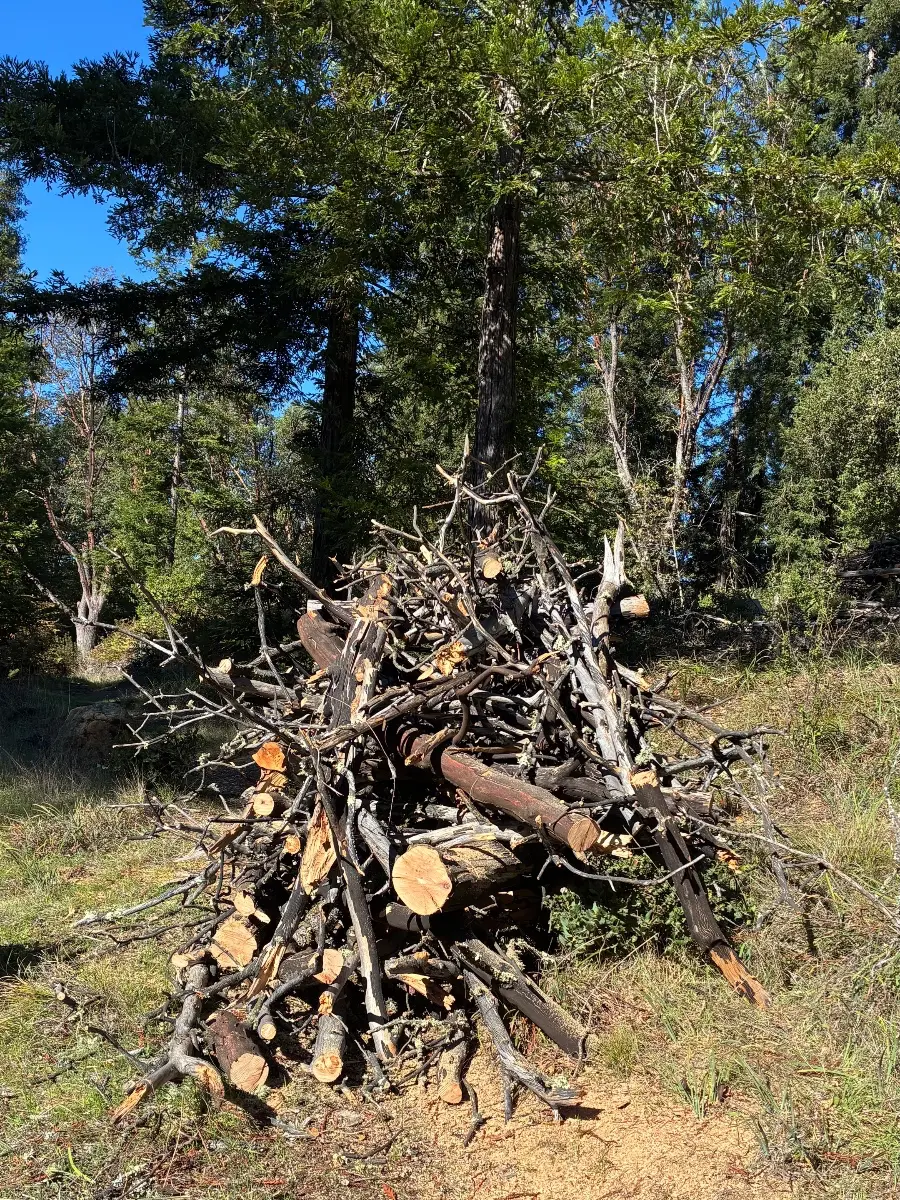
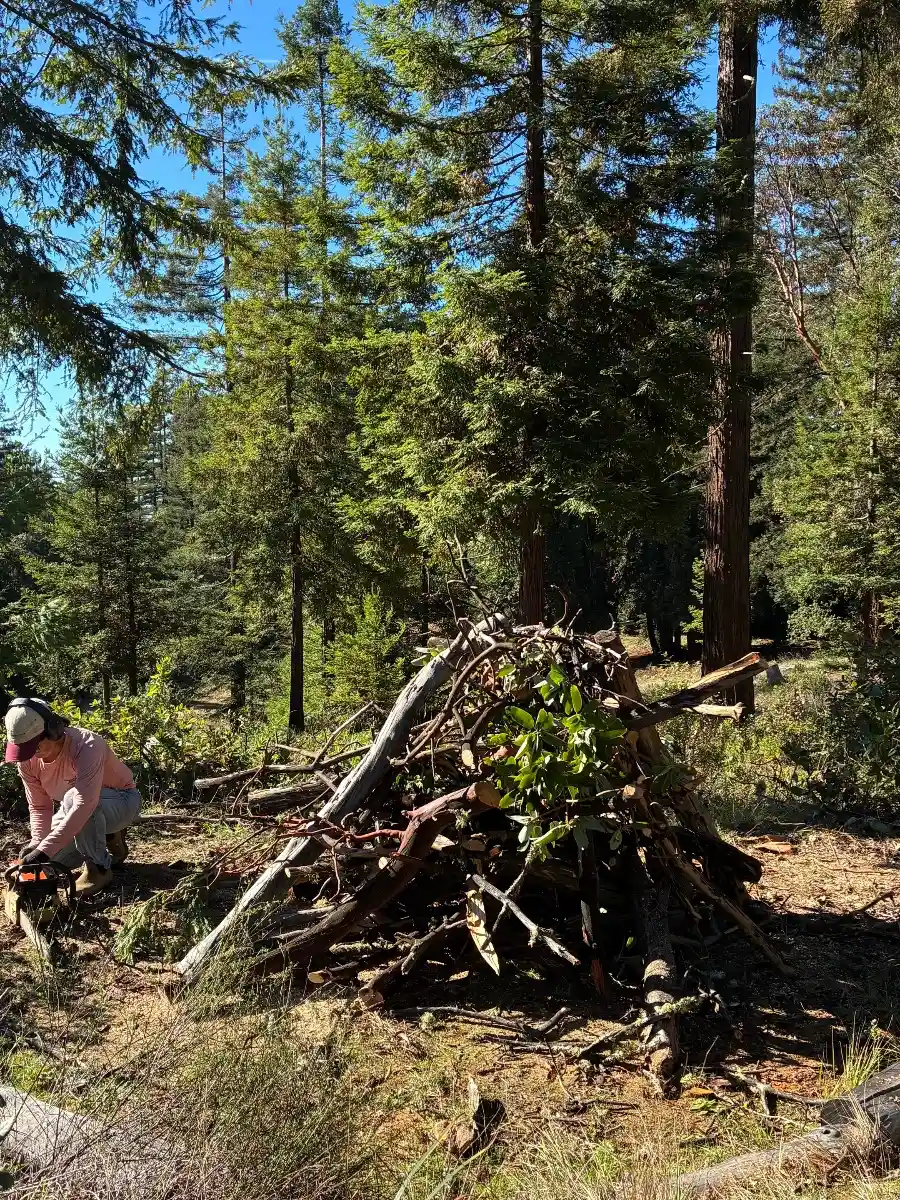
Burn piles are created by gathering dead tree limbs and plant matter into small mounds with a clearance of bare dirt around them. The controlled-burn practice consists of lighting these piles on fire to get rid of dead materials and clear up the area to keep it manageable and easy to walk through. Burning these dead tree limbs is a form of fuel reduction — lowering the risk of high-intensity wildfires by reducing the amount of dry, dead vegetation present should a fire occur.
“We learned how to carry these out safely, at the right time of year, and with the right amount of moisture. And CalFire allows it. So the pile burns are a new thing we’ve been doing. Keeping the campgrounds and trails cleaned up and easy to walk through.” — Soma, pictured next to a freshly assembled burn pile.
LAND STEWARDSHIP IN ACTION
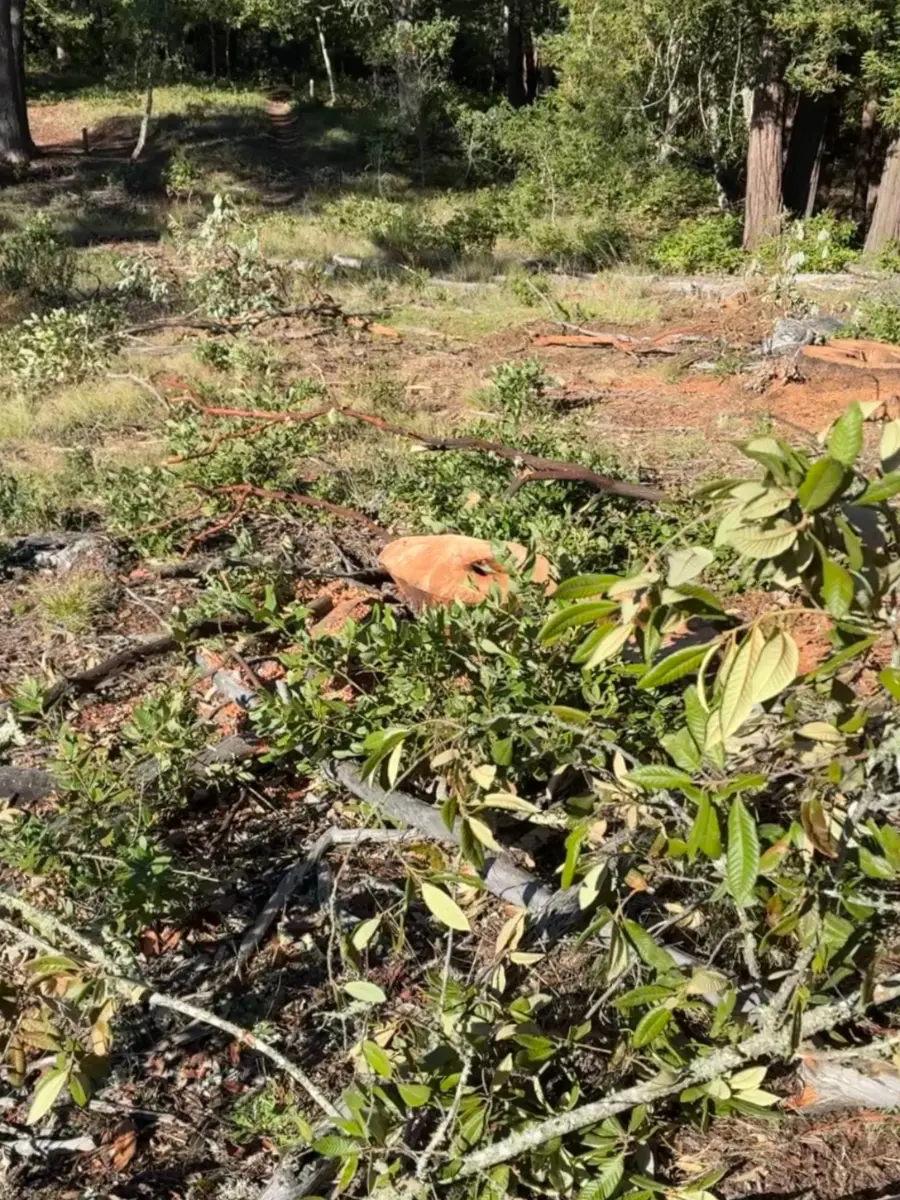
During the 2025 fall season, near the Oaks Cabins and Campground on Mount Madonna’s upper campus, the maintenance team successfully felled and removed several dead trees whose branches were at risk of falling. As a result, many dead, dry branches were left scattered across the forest floor in an area that receives substantial foot traffic from residents and campers. The branches were no longer a danger overhead, but they still needed proper removal.
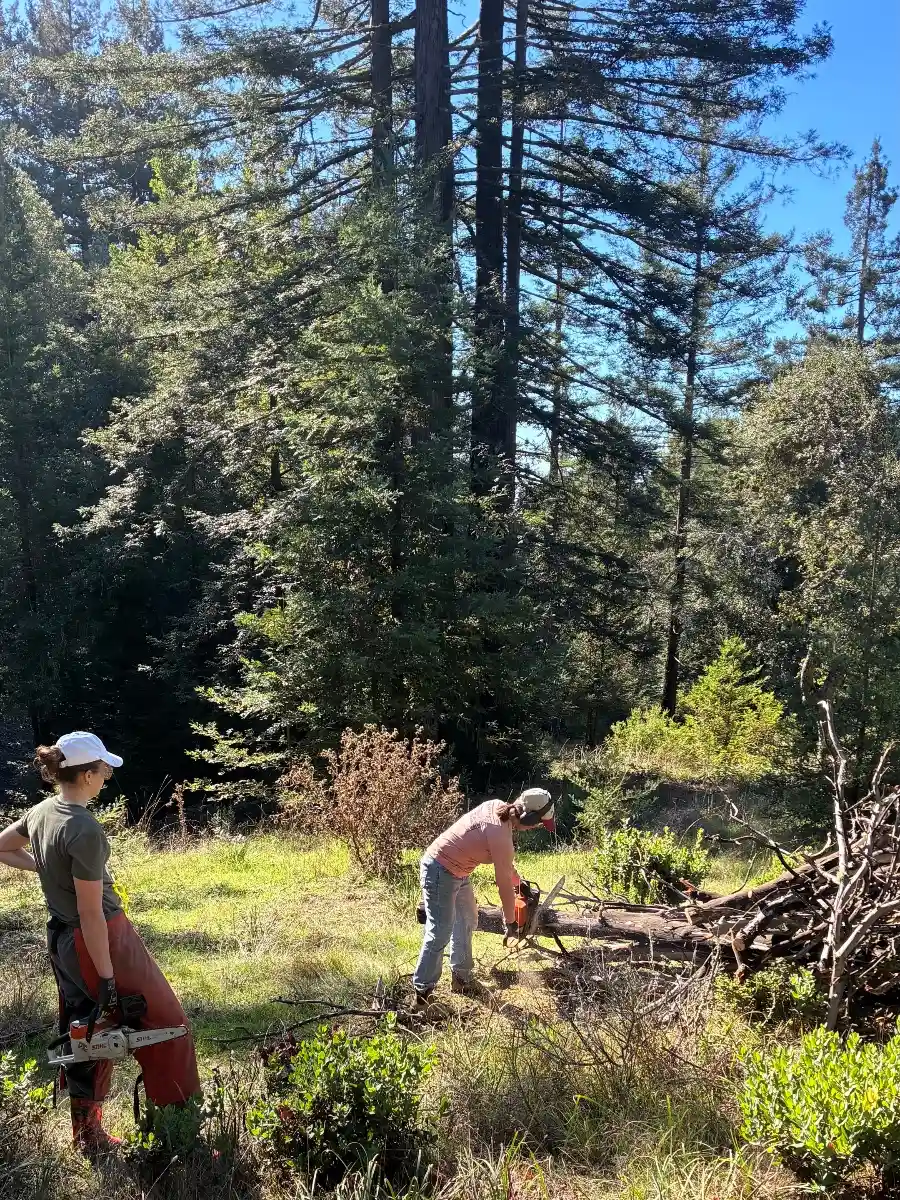
On Friday, November 14, 2025, Head of Land Management, Soma Goresky, and rotational volunteers, Ariana and Darryl, took on the task of breaking down the dead tree limbs and cleaning up the area.
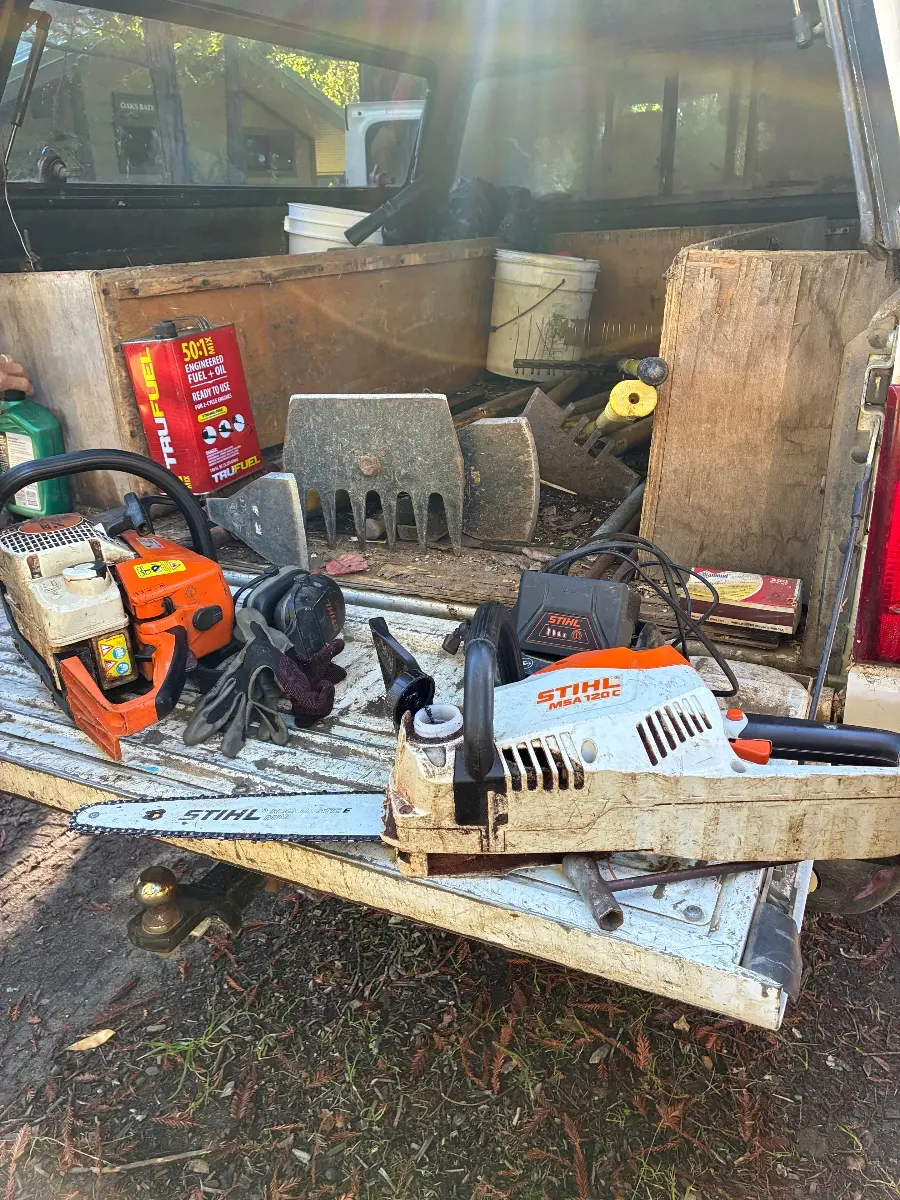
The crew spent a couple of hours dragging, raking, and chainsawing the branches, then arranging them into piles; they got firsthand experience in forest stewardship. The work was extremely gratifying — and sweaty!
While their morning began with messy plant matter strewn about, it ended with seven neat, ready-to-burn piles.
The piles will be covered and kept dry until CalFire comes by to approve them.
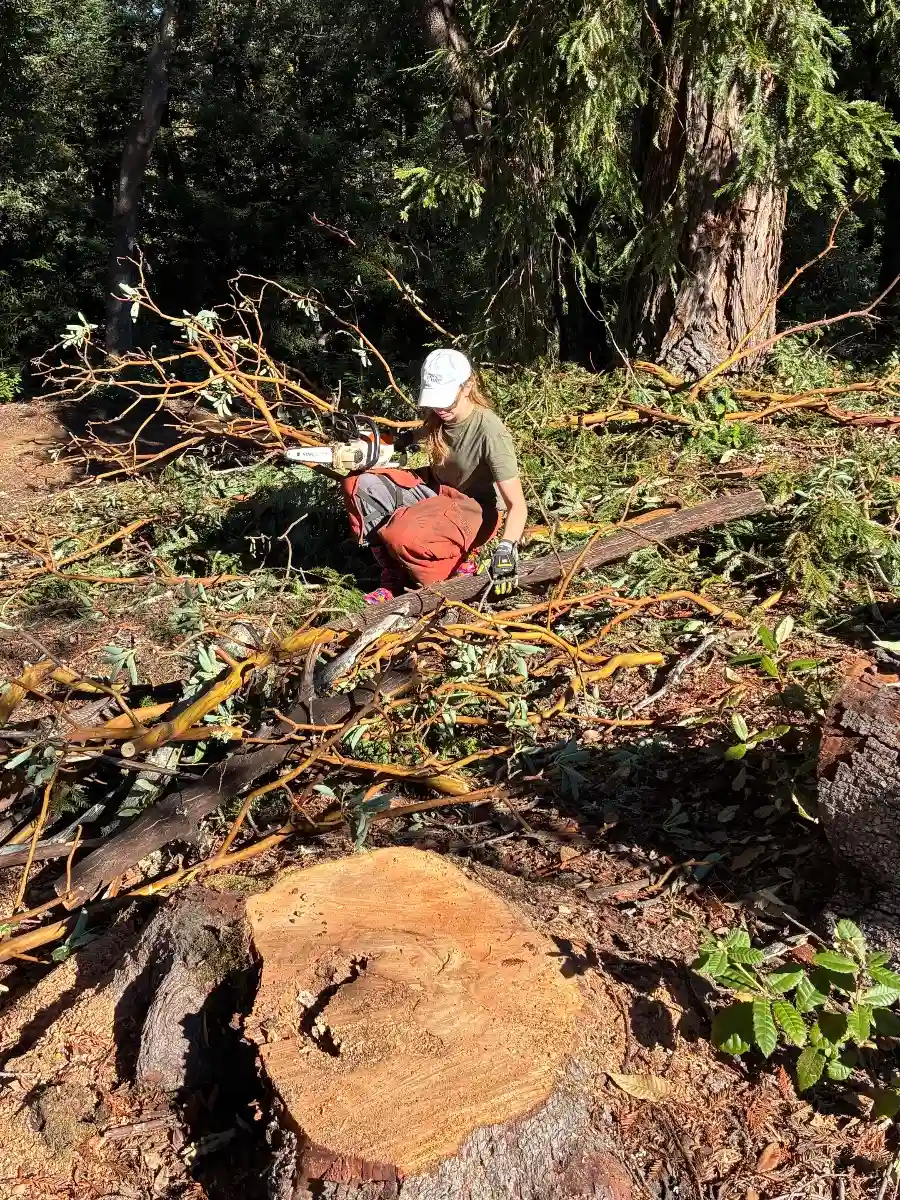
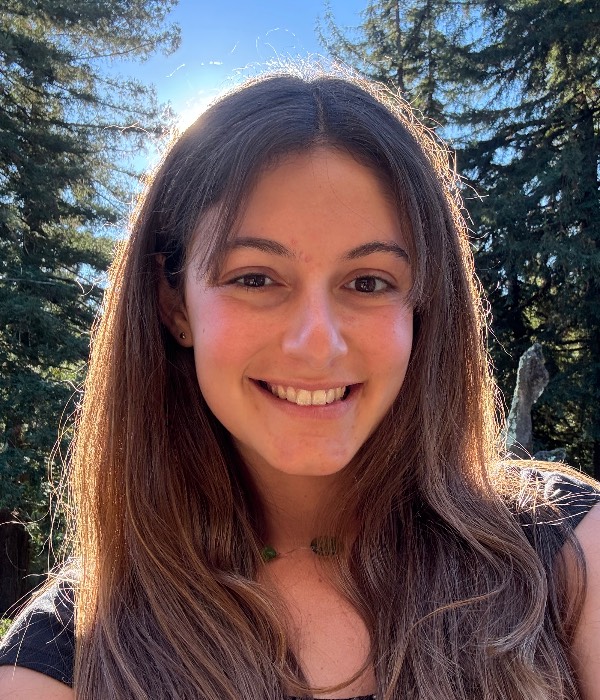
“It’s beautiful to learn about the land and how to care for it. Soma holds so much knowledge!” — Ariana, pictured above.
FIRE: DEATH AND REBIRTH
Wildfires were a naturally occurring part of California ecosystems for thousands of years. In fact, many organisms need fire to propagate life. In the southern Santa Cruz Mountains, occasional low- to moderate-intensity wildfires have historically played an important ecological role in the region’s redwood and mixed-evergreen forests.
Coast redwoods (Sequoia sempervirens) are well adapted to these conditions, often maintaining a competitive advantage after fire as they lose less canopy and readily produce vigorous sprouting from their trunks and bases.
Many native shrubs found in this region, such as huckleberry, toyon, and coyote brush, are known to resprout after fire in similar habitats, helping restore biodiversity over time by providing increased cover and foraging opportunities for pollinators, birds, and small mammals.
Cavity-nesting birds like woodpeckers and flickers may also benefit from the snags and insect activity associated with post-fire conditions, while microorganisms, invertebrates, and other decomposers contribute to nutrient cycling as charred vegetation and woody material break down.
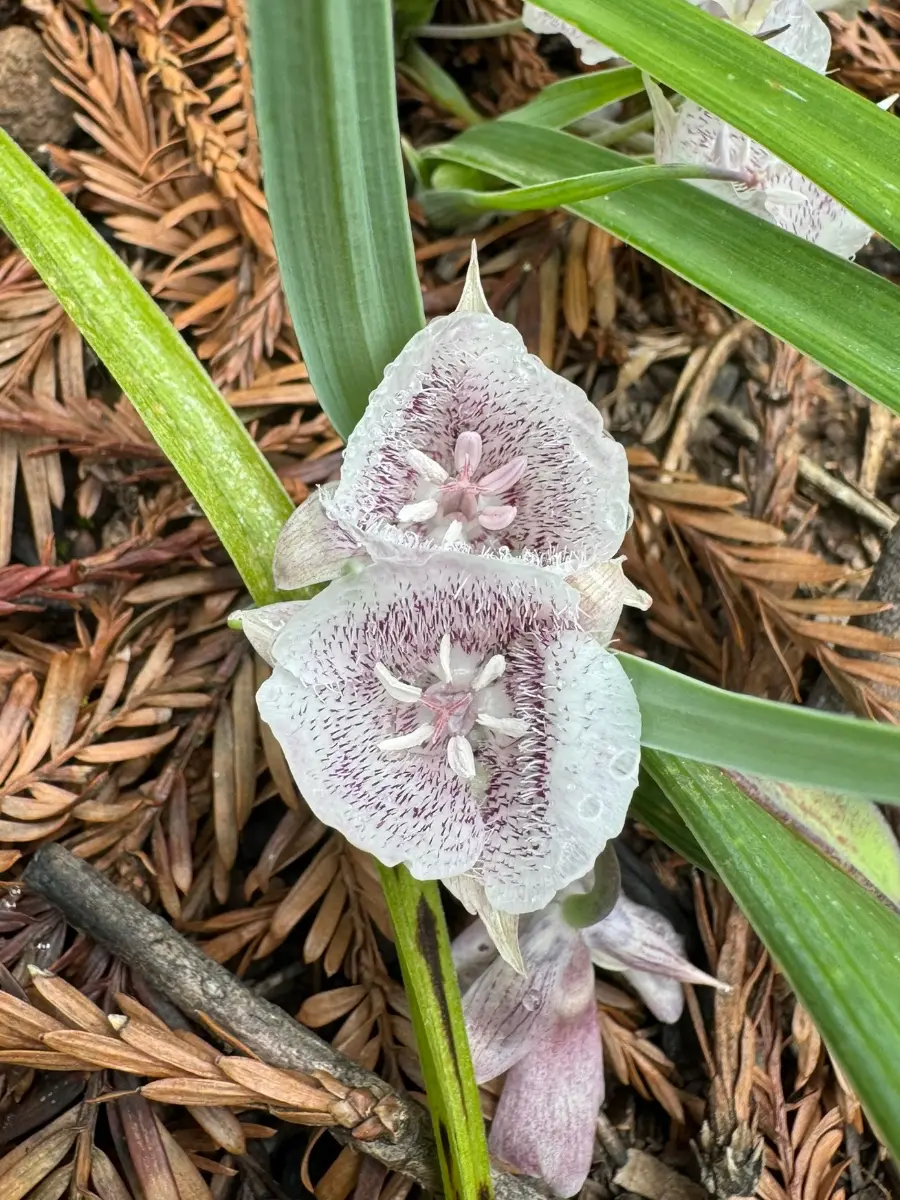
“What’s very cool is that up here we have this beautiful wildflower called the mariposa lily. After we did the controlled burn down in the forest, the mariposa lilies bloomed all over. I’ve been here for 40 years, they never were there. The seeds were dormant in the ground and needed that fire, that heat, to grow!” — Soma
Mount Madonna’s land stewardship practices are informed by the Indigenous land management wisdom of “good fire”, which mimics the natural low- to moderate-intensity fire processes that have historically occurred in this ecosystem.
Although the prescribed burns conducted at Mount Madonna are small, deliberate, and designed to avoid tree mortality, they still help sustain the ecosystem by supporting regeneration and by reducing fuel for destructive, high-intensity wildfires.
(Pictured: Mariposa lily at Mount Madonna. Photo Courtesy of Soma Goresky.)
WITH GRATITUDE
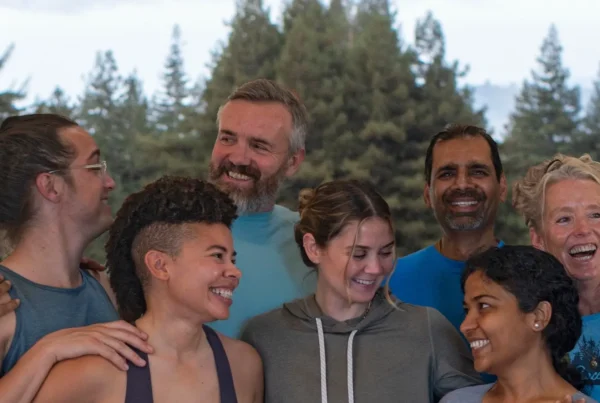
Many thanks to our maintenance team and Soma for collaborating to support the safety and longevity of this land for all to enjoy!
Much love to Ariana and Darryl, our dedicated rotational volunteers, for stewarding the land with a smile!
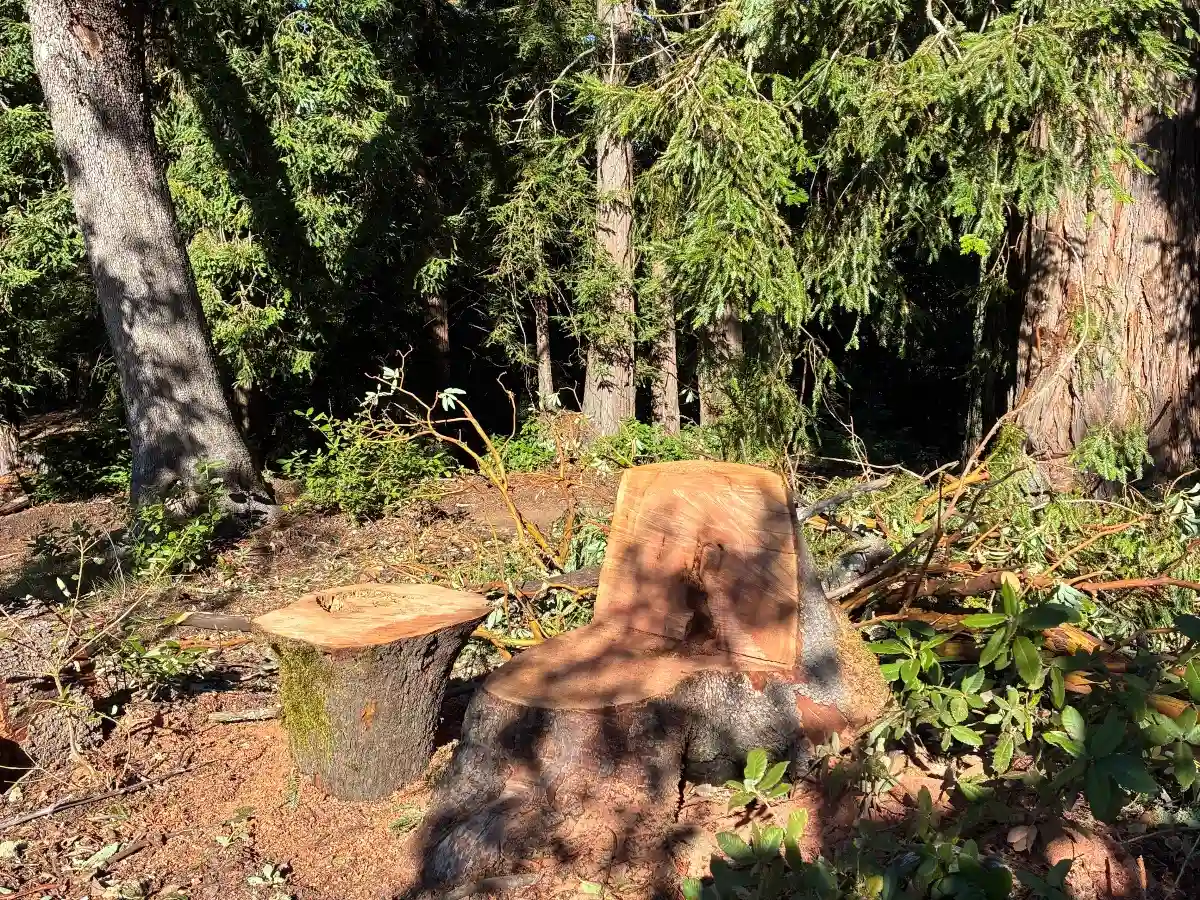
(Pictured: The maintenance team gets creative with the tree stumps!)